Key Takeaways
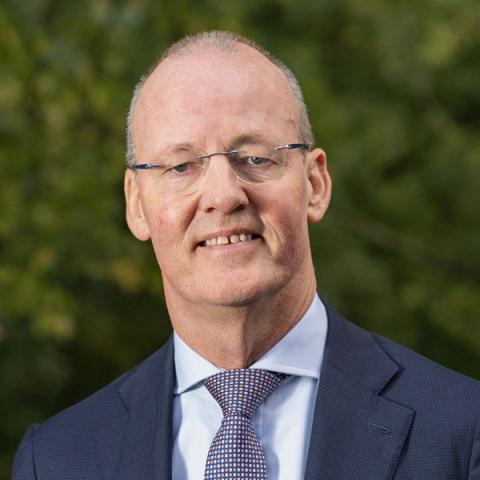
- Klaas Knot's thinking as a European Central Bank policymaker evolved over a period spanning the euro crisis through Russia's invasion of Ukraine. As facts changed, he updated his views without letting go of the original principles underlying the monetary union.
- Despite his original skepticism about central bank asset purchases, Knot now sees them as an integral part of the monetary policy toolkit. But he says their effectiveness depends on the economic context and fiscal policy.
- Knot, a former president of De Nederlandsche Bank, sees a legitimate case for European public goods generating a gradually growing supply of euro-denominated safe assets.
- Given the shifting geopolitical order—including Russia's invasion of Ukraine and recent trade and institutional frictions with the United States—Knot believes a bigger international role for the euro would be desirable and achievable, under certain conditions.
Body
Klaas Knot continues to believe that Europe’s sui generis integration creates unique challenges for economic policy and for monetary policy, creates a distinct responsibility for central bankers, and demands that the ECB’s policy be bound by laws, conditionality, and be anchored to the price stability mandate. But Europe's integration also calls for pragmatism in updating this policy framework in order to protect its original principles.
Data Disclosure:
This publication does not include a replication package.