Key Takeaways
- The Iran war raises serious questions about the ability—and perhaps willingness—of Saudi Arabia, Qatar, and the United Arab Emirates (UAE) to fulfill their commitments of almost $4 trillion to investments in the United States and economic exchange.
- Their pledges accounted for most of the nearly $6 trillion committed by foreign governments as part of President Trump's "America First" investment initiative aimed at supporting US jobs and manufacturing.
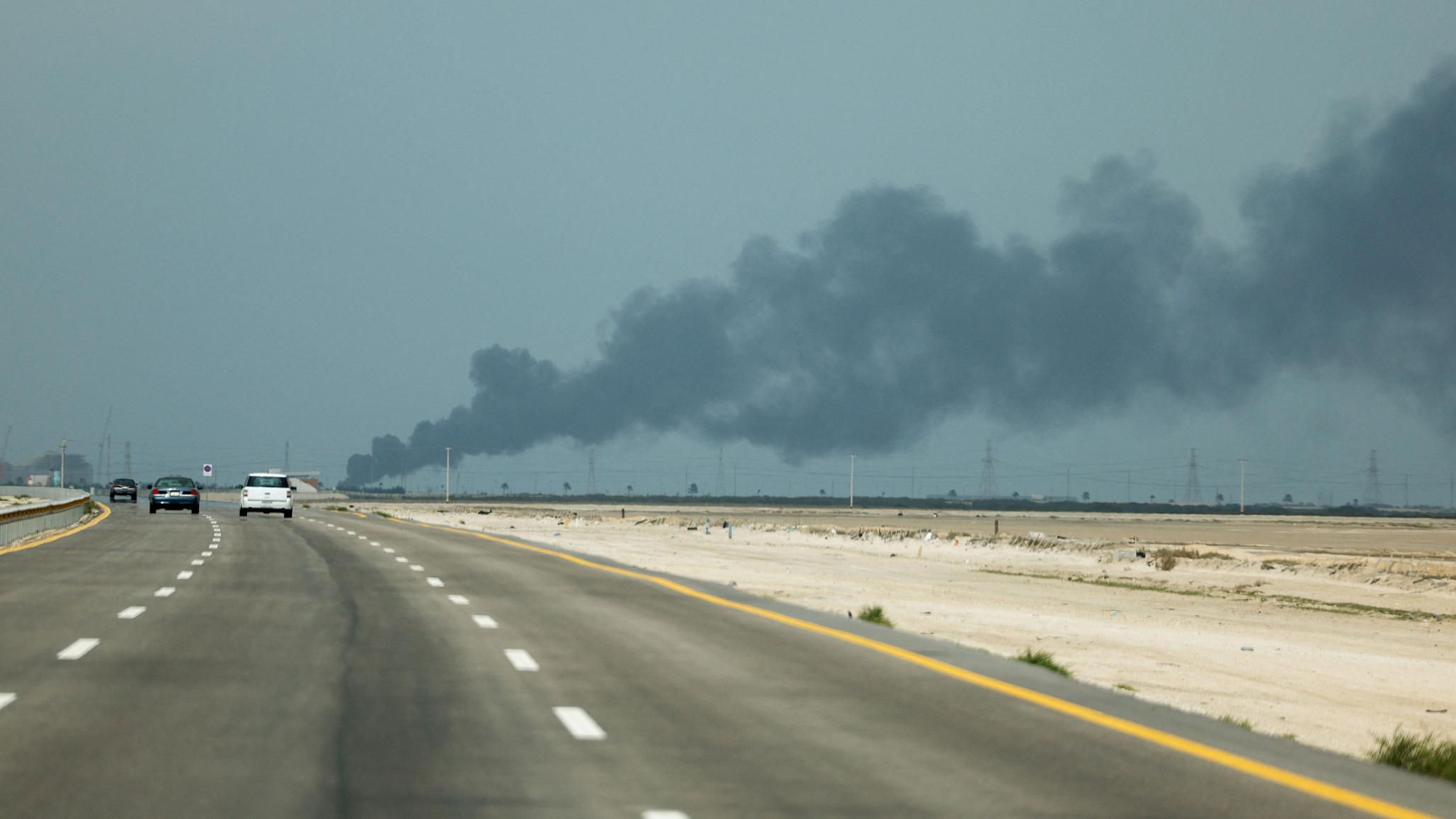
- However, the war is imposing major costs on the three Persian Gulf economies, which will limit the resources available to meet their commitments, which appeared ambitious even before the war.
- One factor that could slow implementation is congressional scrutiny of the investments' effects on the US economy, their governance, and potential conflicts of interest, including those involving the Trump family.
- Robust conflict-of-interest safeguards and greater disclosure of financial arrangements could help address such concerns. The Gulf countries' investments may require additional oversight to address concerns about foreign political influence and inappropriate access to personal data.
Body
The Iran war has damaged the economies of Saudi Arabia, Qatar, and the UAE, which have made ambitious investment commitments to the United States. The war has weakened their finances, growth prospects, and trust in US security guarantees. The question now is whether, and in what form, the three countries will implement their commitments. Rising defense and reconstruction costs, economic uncertainty, and US congressional scrutiny could push them to delay, scale back, or restructure their commitments. Clearer terms, milestones, transparency, and oversight will be key to keeping the deals on track.