
Key Takeaways
- A small group of large firms dominates the global petrochemical industry, with ownership heavily concentrated among corporations and geographically in China, the United States, and Saudi Arabia.
- Ownership does not equal control. Chinese and other Asian investors exert significant control, while US investors exercise limited control due to reliance on passive investments. Saudi Arabia has full control over its investments.
- Europe has weak control and limited presence in the petrochemical industry, with very few major companies, leaving it more dependent on external suppliers.
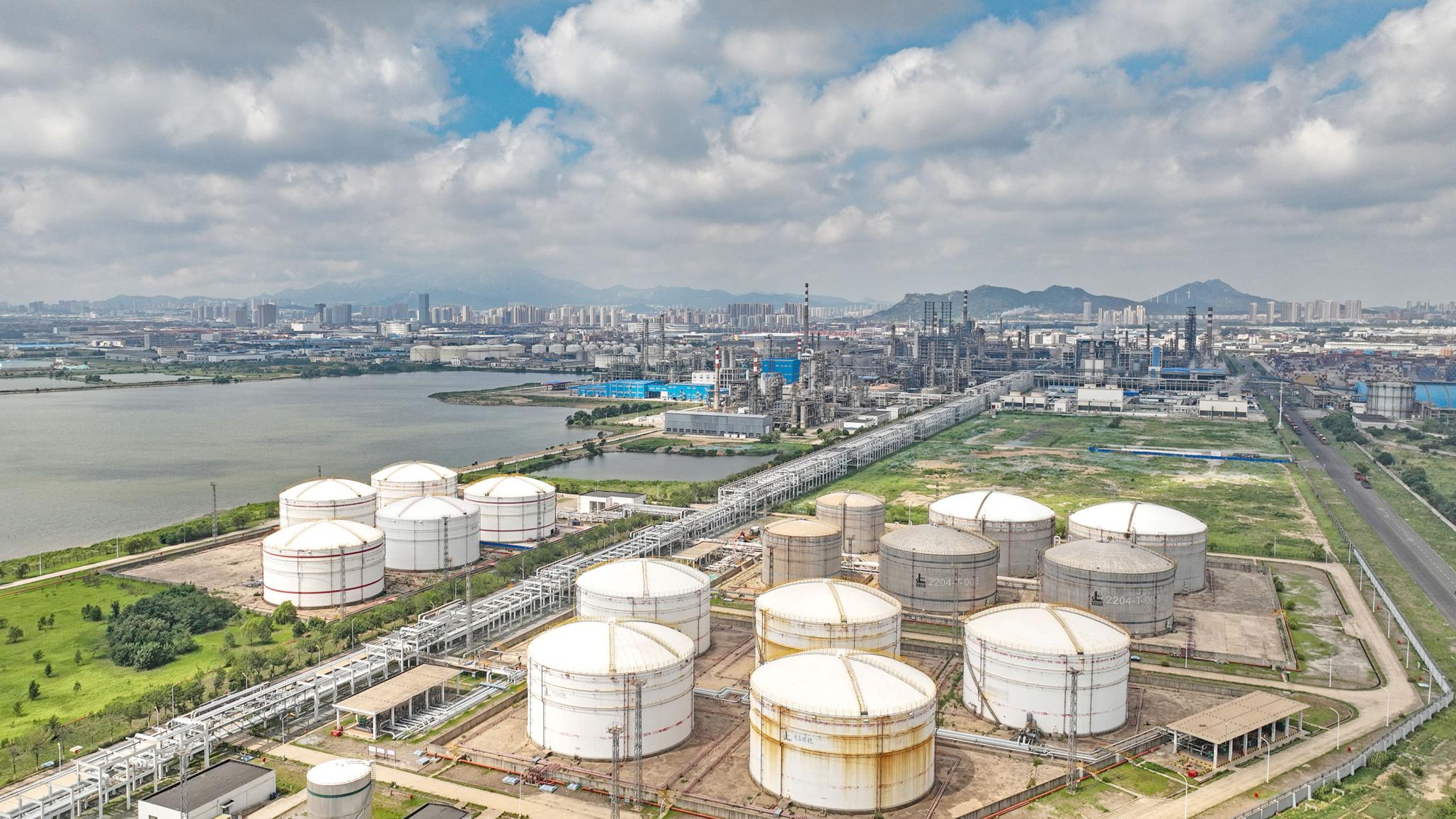
Petrochemicals—used in everything from fertilizers, solar panels, clothing, and cosmetics to electric vehicles, electronics, and medicines—are integral to food security, manufacturing, and clean energy. They are also becoming the fastest-growing source of demand for oil. The 2026 conflict in the Middle East has exposed vulnerabilities in petrochemical supply chains, especially since Middle Eastern producers account for much of the global supply of key petrochemical products, including fertilizers, and one-third of global seaborne fertilizer trade transits the Strait of Hormuz. Understanding the petrochemical industry, including its size, geographical distribution, and ownership and control structure, is essential to reduce risks from geopolitical shocks, hostile takeovers, and fragile supply chains.
Data Disclosure:
The data underlying this analysis can be downloaded here [zip]. Proprietary data have been excluded.
Related Documents
- Documentwp26-4.zip (157.42 KB)
