
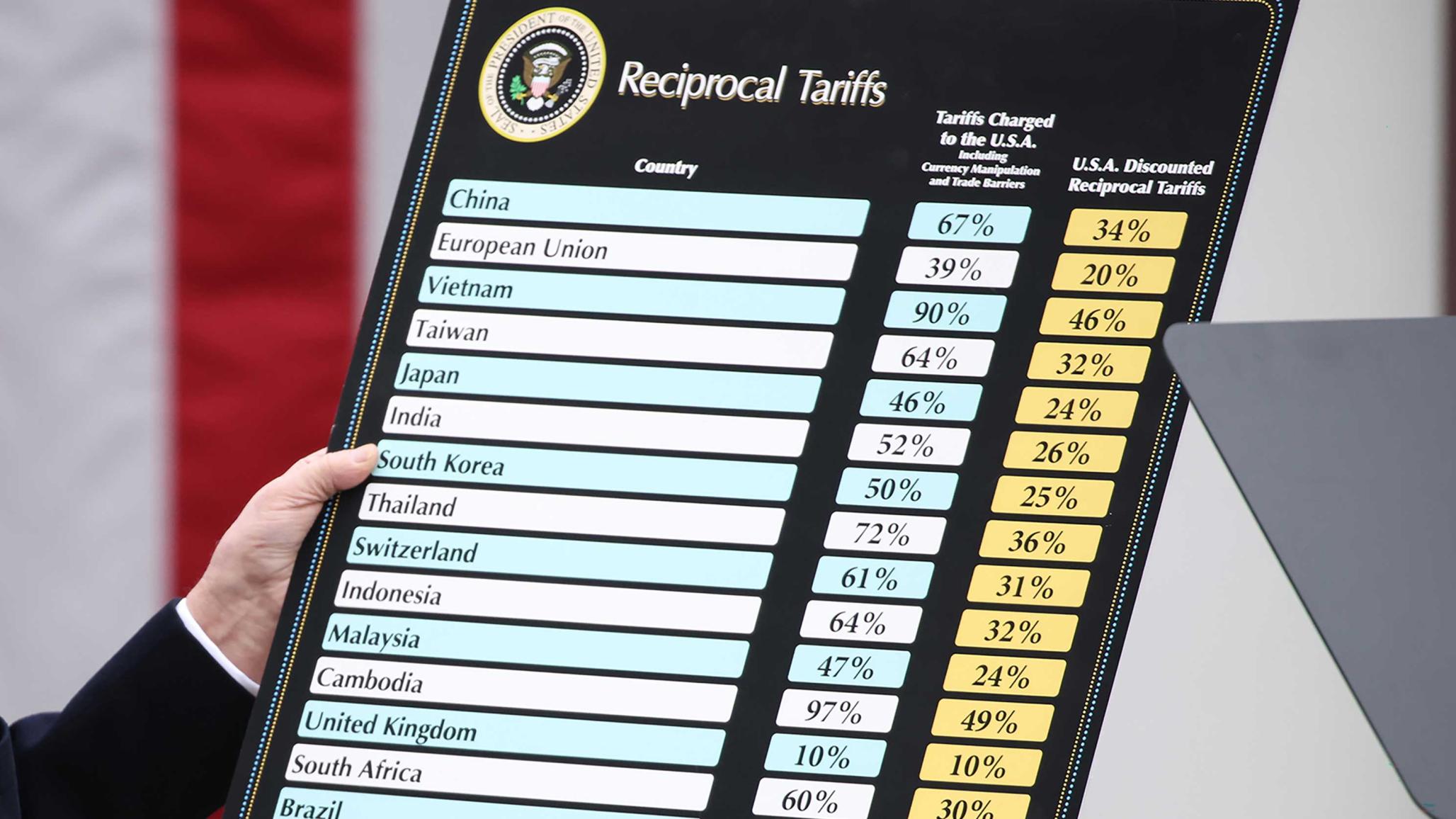
President Donald Trump's Global Tariff War has discarded US commitments to the postwar international trading order established under the General Agreement on Tariffs and Trade (GATT) and the World Trade Organization (WTO). It replaces the Most Favored Nation (MFN) principle with an "Every Nation Different" principle under the false premise that any economy with a trade surplus against the United States must be cheating on its trade obligations and imposes a "reciprocal" tariff increase based on the ratio of bilateral US imports to exports. It fails to recognize the role of US fiscal deficits in boosting demand for imports, and of the attractiveness of the US capital market to inflows of foreign capital in strengthening the dollar and contributing to a persistent trade deficit. The Trump Global Tariff War promises revival of US manufacturing jobs under the false premise that trade deficits rather than technological change and Engel curve shifts in demand toward services have driven the decline in the share of manufacturing in employment and GDP. It shows no recognition that higher tariffs are a self-inflicted wound to the economy because of large static welfare triangle costs and loss in dynamic efficiency growth. This study estimates that the 18 percent rise in tariffs so far in the Trump Global Tariff War imposes an ongoing future static welfare cost of 0.28 percent of GDP. The medium-term dynamic efficiency loss brings the total welfare loss reaching a range of 1.1 to 2.3 percent of baseline GDP by 2035. Congressional Budget Office budget estimates of increased tariff revenues of 1 percent of GDP over the next decade (including interest savings) may be understated on an implied premise of sharp import reductions but overstated because President Trump has suggested giving them away in "tariff dividend" checks to all but high-income households. Moreover, a possible Supreme Court ruling against application of the "emergency" legislation on which the main tariff increases are based further reduces the reliability of revenue estimates. The Trump Global Tariff War has usefully revealed a vulnerability of the US economy to a future cutoff in the supply of rare earth minerals, metals, and magnets imported from China that requires urgent action.
