
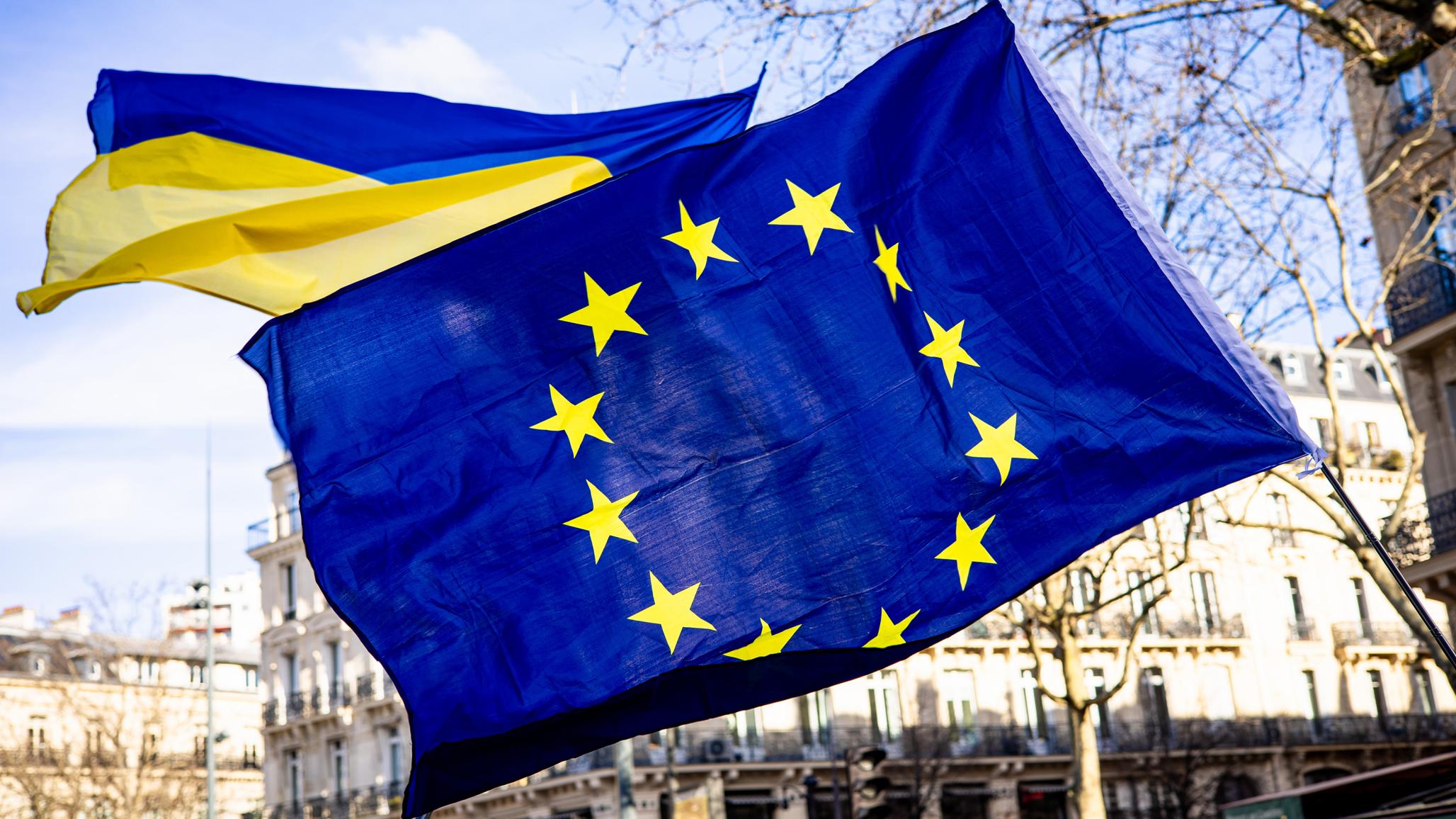
Despite the increasingly direct military threat from Russia and a weakening US commitment to the North Atlantic Treaty Organization (NATO), the European Union’s 27 member states have proven unwilling to harness their union to provide a common defense. Instead, EU members have responded individually, based on their own national interests and circumstances, such as their geographic proximity to Russia and levels of government debt. Failure to act collectively represents a wasted opportunity with potentially far-reaching and negative implications for the prospects of any further meaningful EU institutional integration. This Policy Brief analyzes the drivers of rearmament, especially military aid to Ukraine, and the ways in which such aid is increasingly being provided by different “coalitions of the willing” consisting of subsets of EU members and other countries, working with the Ukrainian military industrial sector. Kirkegaard argues that this approach will likely reduce the European Union to a peripheral role in providing for the continent’s military defense and national security. Instead, the European Union’s principal role will be that of a financier, limited to providing financial support for Ukraine, increasing sanctions pressure on Russia, overseeing Kyiv’s accession to the European Union, and trying to carve out a coordinating role in EU defense-related research and development. Rather than the European Union as a single institution, subsets of EU members together with nonmembers will drive European rearmament and the establishment of a largely independent long-term military deterrent to Russia.
Data Disclosure:
The data underlying this analysis can be downloaded The data underlying this analysis can be downloaded here [zip].
Related Documents
- Documentpb26-1.zip (256.49 KB)
