Key Takeaways
- At the margin, firms expand their operations when they can increase nonfarm employment of low-skill immigrant workers through the US government's H-2B visa lottery.
- Marginal firms that gain H-2B visas through the lottery raise their employment of low-skill immigrants, expand their operations, and see higher profits and reinvestment in the business.
- Conversely, restrictions on H-2B hiring either do not affect or reduce employment of low-skill US workers.
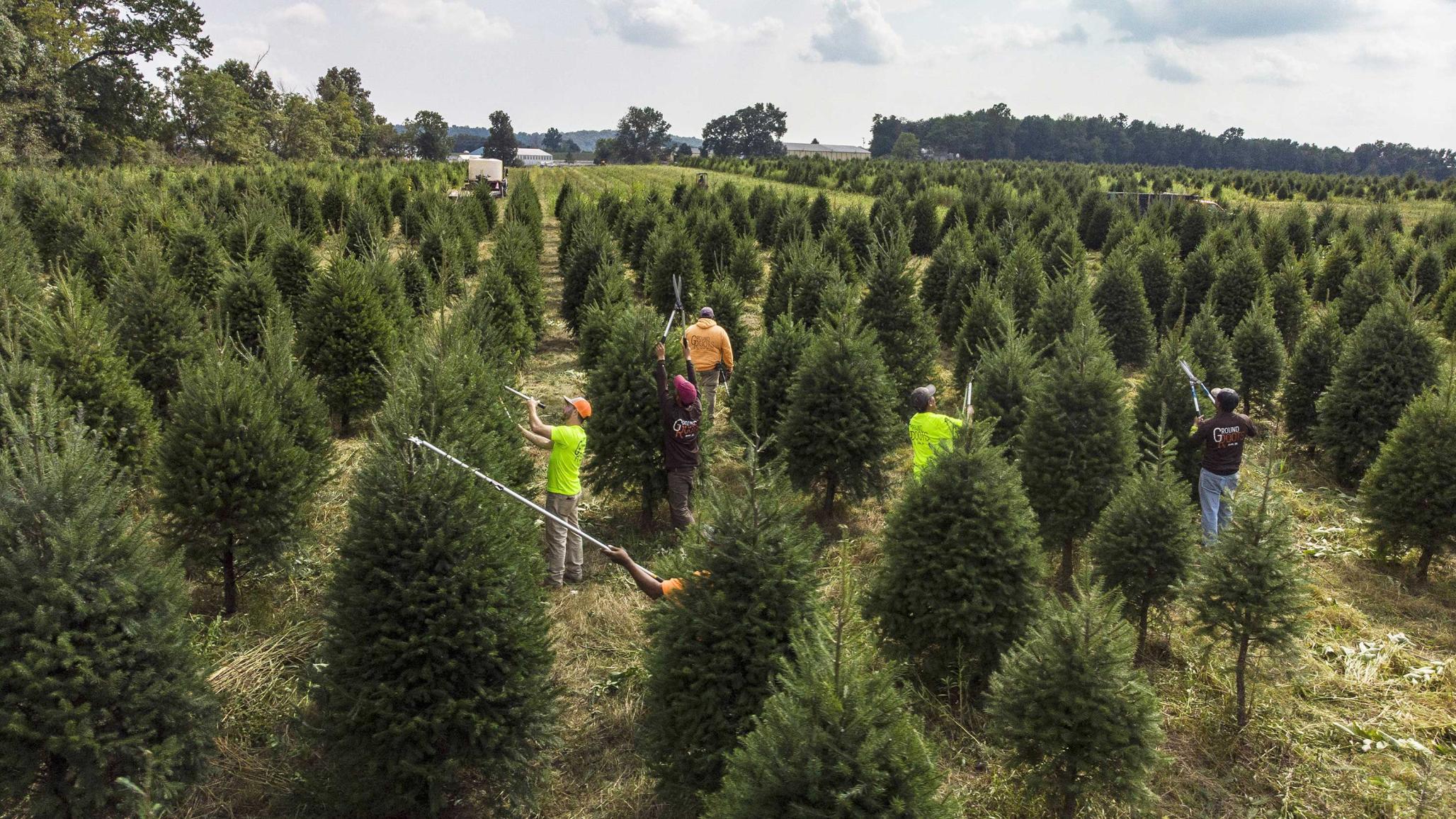
This paper studies the economic effects of US restrictions on the employment of foreign workers in low-skill, nonfarm jobs through the H-2B visa. Leading industries that hire H-2B workers include groundskeeping, hospitality, construction, forestry, and seafood packing. US employers’ access to this visa is limited by a federal government quota and allocated in part via a randomized lottery. The authors find that firms that can employ more H-2B workers in low-skill jobs due to the lottery increase their production, investment, and profits. The effect of H-2B hiring on US employment is zero or positive overall, and positive in rural areas, because the elasticity of substitution between H-2B and US workers is very low (0.8–2.0) and dominated by scale effects. Forensic analysis suggests extremely low substitutability with black-market labor.